
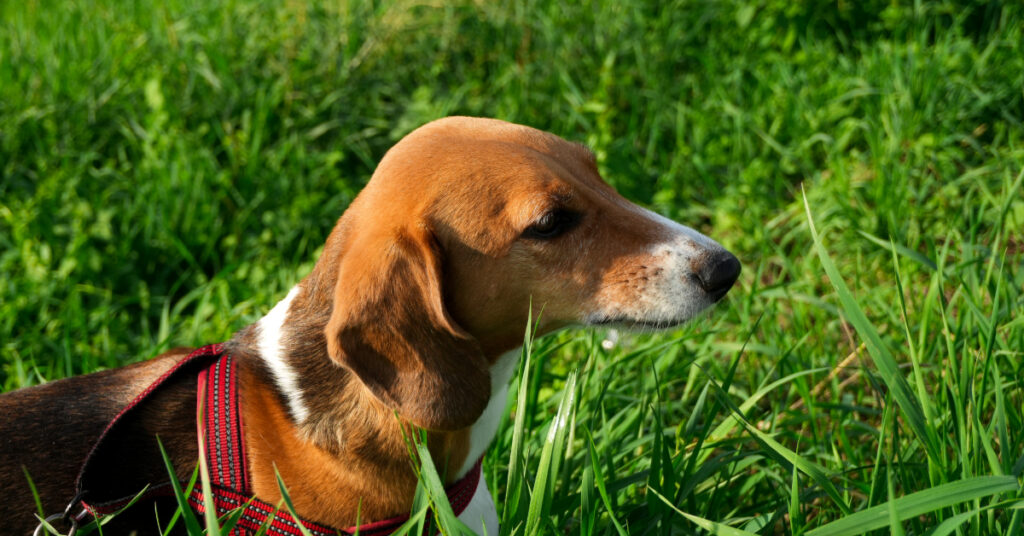
You’ve probably seen it before: your dog trots over to a patch of grass and starts munching away like it’s perfectly normal. And actually, for most dogs, it is. Dogs eating grass is one of the most common behaviors pet owners ask about, and the short answer is that it’s usually not a cause for alarm. That said, there’s quite a bit more to the story. This blog explores what our team at World of Animals Veterinary Hospital wants you to know about why dogs eat grass, when it’s harmless, and when it might be time to make an appointment.
Why Do Dogs Eat Grass?
Dogs eating grass is a behavior that has puzzled pet owners for generations. There’s no single explanation, but veterinary research and observation have pointed to several plausible reasons. The truth is that dogs eat grass for a variety of reasons, and it can mean different things depending on your individual dog and the circumstances.
Instinct and Natural Behavior
Dogs are not strict carnivores. Their wild ancestors consumed plant material regularly, whether through the stomach contents of prey animals or by foraging on their own. Plant consumption is a deeply ingrained behavior in canines, and domesticated dogs haven’t entirely shed that instinct. Some dogs simply enjoy the taste or texture of grass and eat it the same way they might chew on a stick or a toy.
Digestive Support
Many veterinarians and pet owners have noticed that dogs eating grass sometimes vomit afterward. This has led to the popular theory that dogs eat grass to make themselves vomit when they feel nauseous or have an upset stomach. While this may be true in some cases, research actually suggests that fewer than 25% of dogs vomit after eating grass, and most don’t appear to be sick before they start grazing. So while a dog eating grass and then vomiting is possible, it’s not the norm.
Dietary Fiber and Nutritional Needs
Some experts believe dogs eat grass because they’re seeking fiber or other nutrients that may be missing from their diet. If your dog consistently seeks out grass and seems to eat it compulsively, it could be worth discussing their current food with your veterinarian. Our team at World of Animals Veterinary Hospital can evaluate whether a dietary adjustment might help reduce the behavior.
Boredom or Anxiety
Dogs eating grass can sometimes be a behavioral response to boredom or anxiety rather than a physical need. If your dog grazes frequently and also shows other signs of restlessness, destructive behavior, or anxiety, the grass-eating might be a coping mechanism. More exercise, enrichment activities, and mental stimulation can sometimes reduce this behavior.
Is It Normal for Dogs to Eat Grass Every Day?
Many pet owners wonder, “Is my dog eating grass every day something I should worry about?” For most dogs, occasional grass consumption is completely normal and doesn’t indicate a health problem. Dogs that graze on grass regularly without vomiting, without showing signs of illness, and with normal energy and appetite are typically just exhibiting a natural behavior.
That said, frequency and context do matter. A dog that has always casually snacked on grass during walks is very different from a dog that suddenly starts eating grass obsessively or seems to be doing so in response to gastrointestinal discomfort. When the behavior changes or increases significantly, that’s a cue to pay closer attention.
When Should I Be Concerned About My Dog Eating Grass?
While dog eating grass behavior is usually benign, there are situations where it warrants a closer look. Contact World of Animals Veterinary Hospital if you notice any of the following alongside grass eating:
- Frequent vomiting after eating grass: Occasional vomiting may not be alarming, but if your dog is repeatedly eating grass and vomiting, it could signal an underlying GI issue that needs attention.
- Signs of abdominal discomfort: Hunching over, distension of the belly, whimpering, or reluctance to move can indicate a more serious problem.
- Lethargy or loss of appetite: A dog eating grass while also seeming unwell, tired, or refusing food should be seen by a vet promptly.
- Diarrhea or blood in stool: These are signs that something more significant may be going on in the digestive tract.
- Sudden change in behavior: If a dog that has never been interested in grass suddenly starts eating it compulsively, that shift is worth investigating.
Is Grass Dangerous for Dogs to Eat?
Grass itself is generally not toxic to dogs. The more significant concern is what may be on or around the grass. Pesticides, herbicides, fertilizers, and lawn treatment chemicals can be genuinely harmful or even toxic to dogs if ingested. This is an important consideration for every pet owner whose dog eats grass regularly.
Some outdoor plants that commonly grow alongside grass can also be toxic to dogs. Wild mushrooms, certain weeds, and ornamental plants can cause serious illness. If your dog is an enthusiastic grass eater, it’s wise to be familiar with what’s growing in the areas where they graze.
Grass-Eating Safety Tips for Dog Owners
- Avoid letting your dog eat grass in areas treated with pesticides, herbicides, or fertilizers. Check lawn care signs and know what products your neighbors use.
- Be aware of toxic plants in your yard and any areas where your dog roams. Common culprits include azaleas, foxglove, sago palm, and certain mushroom species.
- Rinse your dog’s paws and muzzle after outdoor time in unfamiliar areas to reduce the risk of chemical ingestion from residue on the coat.
Can I Stop My Dog From Eating Grass?
You can try to discourage grass eating, but unless it’s causing health problems, it may not be necessary. If you’d prefer your dog not graze, consistent redirection when you see the behavior combined with positive reinforcement for focusing on you instead can help over time.
If you suspect the grass eating is related to a dietary gap, talk to your veterinarian about a high-quality, fiber-rich diet that better meets your dog’s nutritional needs. In some cases, a simple food change makes a noticeable difference in dogs eating grass obsessively.
What Your Vet Looks for When Dogs Eat Grass
When a dog is brought to World of Animals Veterinary Hospital with concerns about grass eating, our veterinarians will typically assess the dog’s overall health, ask about the frequency and context of the behavior, review the current diet, and check for any signs of gastrointestinal disease. In some cases, diagnostic testing such as bloodwork or fecal analysis may be recommended to rule out parasites or other underlying issues. Most of the time, the assessment will confirm what you suspected: your dog eating grass is simply a normal canine behavior. But ruling out anything more serious gives you peace of mind and ensures your dog is getting the care they need.
What the Grass-Eating Habit Really Tells Us About Dogs
Dogs are curious, instinct-driven animals, and their behaviors don’t always fit neatly into human logic. A dog eating grass is a good reminder of that. In most cases, it’s nothing more than a natural behavior rooted in instinct. As long as your dog is healthy, eating well, and showing no signs of illness, the occasional grass snack is typically nothing to worry about.
If you have lingering questions about your dog eating grass, whether it’s happening too often, or you’re simply not sure what’s normal for your pet, our team at World of Animals Veterinary Hospital is always happy to help. Call one of our locations or book an appointment online today! We’re here to partner with you in understanding your dog’s behavior and keeping them at their healthiest.