
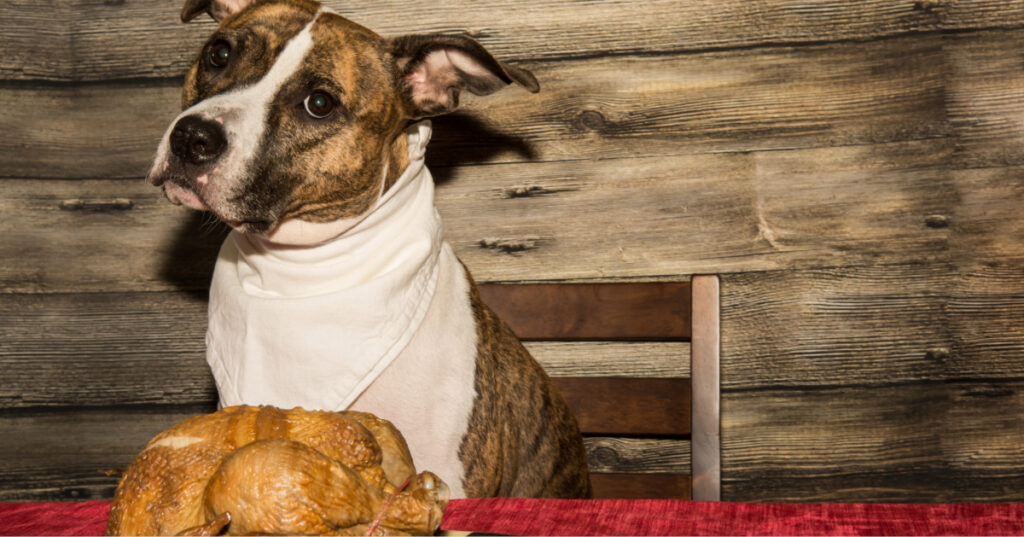
Can dogs eat turkey? Yes, plain, fully cooked turkey is generally safe for dogs and can even be a healthy source of lean protein. But the way turkey is prepared makes all the difference. Before you share a piece of your holiday meal or add turkey to your dog’s bowl, here’s what every pet owner needs to know to keep their dog safe and healthy.
Is Turkey Safe for Dogs?
When dog owners ask, “Can my dog eat turkey?” the answer depends almost entirely on preparation. Plain, unseasoned, boneless, and skinless turkey meat is safe for most dogs in moderate amounts. Turkey is actually a common ingredient in many commercial dog foods and treats precisely because it’s a digestible, low-fat protein source.
The concern isn’t the turkey itself, it’s everything that typically goes along with it. Seasonings, butter, onions, garlic, and rich gravies that make holiday turkey so delicious for us can be toxic or seriously upsetting to a dog’s digestive system. Our team at World of Animals Veterinary Hospital sees a noticeable uptick in GI-related visits after major holidays, and turkey-related issues are a frequent culprit.
What Makes Turkey Risky for Dogs?
While plain turkey gets a green light, several components of a typical turkey preparation are genuinely dangerous for dogs:
- Turkey bones: Cooked poultry bones including turkey bones splinter easily and can cause choking, internal lacerations, or intestinal blockages. This is one of the most common turkey-related emergencies vets treat.
- Onions and garlic: Both are toxic to dogs and are staples in most turkey seasoning blends and stuffing recipes. Even small amounts of onion or garlic can damage a dog’s red blood cells and cause anemia.
- Turkey skin: High in fat, turkey skin can trigger pancreatitis, a painful and potentially serious inflammation of the pancreas, especially in dogs that aren’t used to fatty foods.
- Stuffing: Stuffing almost always contains onion, garlic, herbs, and butter, making it off-limits for dogs.
- Gravy and seasonings: Most gravies are high in salt, fat, and often contain ingredients that are harmful to dogs.
Can Dogs Eat Turkey Safely? Here’s How
If you want to share turkey with your dog, there’s a right way to do it. Dogs can eat turkey safely when it’s prepared with them specifically in mind. That means plain, cooked turkey with no added seasonings, no butter or oil, no skin, and no bones. A small amount of white meat is fine as an occasional treat or food topper for most healthy adult dogs.
Keep portion sizes modest. Even healthy foods can cause digestive upset when introduced too quickly or given in large amounts. A few small pieces of turkey meat as a treat is very different from replacing a dog’s entire meal with it.
How Much Turkey Can a Dog Eat?
There’s no universal answer since it depends on your dog’s size, weight, age, and any existing health conditions. As a general rule, treats and extras should make up no more than 10% of a dog’s daily caloric intake. A small dog, for instance, needs far fewer calories than a large breed, so even a “small” serving of turkey for a 70-pound Labrador could be too much for a 10-pound Chihuahua.
If your dog has a sensitive stomach, kidney disease, pancreatitis history, or a known food allergy, talk to your veterinarian before adding turkey to their diet. The veterinarians at World of Animals Veterinary Hospital can help you determine the best dietary choices for your individual dog.
Can Dogs Eat Turkey Bones?
No. Dogs should never eat cooked turkey bones. Cooked bones of any kind including turkey, chicken, and pork become brittle during the cooking process and splinter into sharp fragments. These splinters can:
- Cause choking or get lodged in the throat
- Puncture or lacerate the esophagus, stomach, or intestines
- Create dangerous intestinal blockages that require emergency surgery
- Lead to life-threatening internal bleeding
If your dog has eaten a cooked turkey bone, contact World of Animals Veterinary Hospital during our business hours or an emergency vet right away. Don’t wait to see if symptoms develop. Internal injuries from bone fragments may not show obvious signs immediately, but they can become life-threatening quickly.
Can Dogs Eat Deli Turkey or Processed Turkey?
Deli turkey, turkey lunch meat, smoked turkey, and other processed turkey products are not good choices for dogs. These products are loaded with sodium, preservatives, and additives that are not appropriate for canine consumption. High sodium intake can cause excessive thirst, urination, and in severe cases, sodium poisoning, which is a veterinary emergency.
The question “Can dogs eat turkey?” is really a question about what kind of turkey. The simple rule: if it’s been processed or seasoned for human enjoyment, it’s probably not a good idea to share it with your dog.
Signs Your Dog Ate Something Unsafe
Even when you’re careful, dogs are opportunists. They might steal a piece of seasoned turkey off a plate or get into the trash. If your dog has eaten turkey bones, stuffing, gravy, or heavily seasoned turkey, watch for these warning signs:
- Vomiting or diarrhea (especially if persistent or bloody)
- Lethargy or unusual tiredness
- Abdominal swelling or signs of pain when the belly is touched
- Loss of appetite or refusal to drink water
- Coughing, gagging, or difficulty swallowing (possible sign of a bone fragment)
- Pale gums, which can indicate internal bleeding
If you notice any of these symptoms after your dog has eaten turkey or turkey-related foods, contact World of Animals Veterinary Hospital or your nearest emergency vet immediately. It’s always better to call and be reassured than to wait and have a minor issue escalate.
Turkey as a Regular Part of Your Dog’s Diet
Beyond holiday scraps, many pet owners wonder if turkey can be incorporated into their dog’s regular meals. Turkey-based dog food is widely available and can be an excellent protein source for dogs, including those with sensitivities to more common proteins like chicken or beef. Ground turkey, when cooked plain, can also be used as part of a home-prepared diet, though any homemade dog food plan should be reviewed by your veterinarian to ensure it’s nutritionally complete.
Turkey is a lean protein that provides essential amino acids, B vitamins, and minerals like phosphorus and selenium. For active dogs or those needing a lower-fat protein option, it can be a genuinely beneficial dietary addition when prepared correctly.
Talk to Your Vet Before Making Dietary Changes
Every dog is different. Age, breed, weight, activity level, and underlying health conditions all affect what a dog should and shouldn’t eat. Our veterinary team at World of Animals Veterinary Hospital is here to help you make informed, safe decisions about your dog’s nutrition, whether you’re wondering if dogs can eat turkey, evaluating a new commercial diet, or considering a homemade feeding plan.
If you have questions about your dog’s diet or you’re concerned your dog may have eaten something harmful, don’t hesitate to reach out. Call one of our locations or book an appointment online today. Our compassionate team is always happy to help keep your dog healthy, happy, and well-fed safely.