
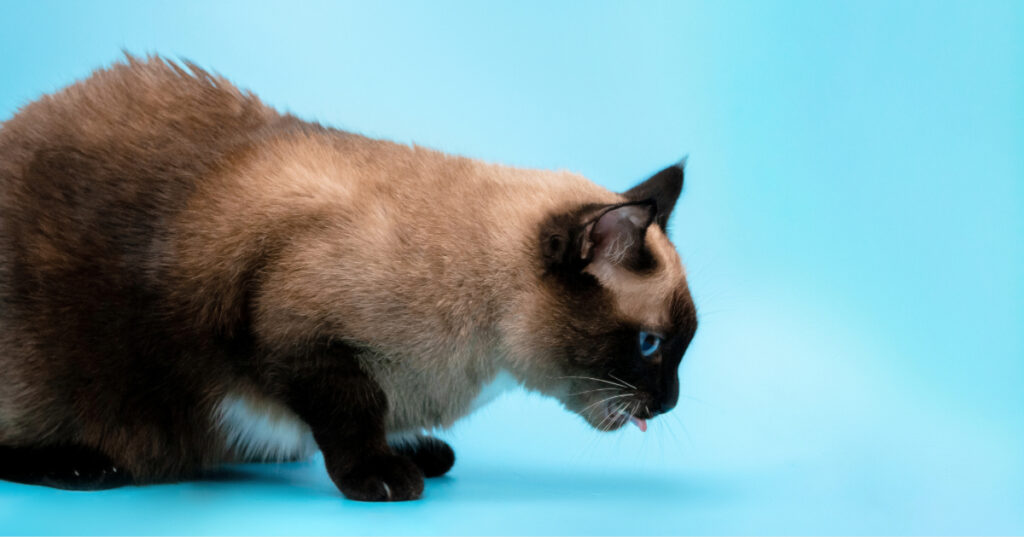
If your cat keeps vomiting, you’re right to wonder whether it’s time to call the vet. Cat vomiting is one of the most common reasons pet owners seek veterinary advice, and the answer to whether you should be concerned depends on several key factors: how often your cat is vomiting, what the vomit looks like, and whether other symptoms are present. This guide will walk you through what’s normal, what’s not, and when our team at World of Animals Veterinary Hospital recommends making that call.
Is It Normal for Cats to Vomit?
Occasional cat vomiting does happen and is not always a sign of serious illness. Cats that vomit once or twice a month without other symptoms and return immediately to their normal behavior may simply have eaten too quickly or encountered a mild irritant. However, the idea that cats “just vomit sometimes” has been significantly overstated. Frequent vomiting in cats is not normal and should be evaluated by your veterinarian. If your cat is vomiting more than once a week, or if the vomiting is accompanied by other changes in behavior, appetite, or body condition, it’s time to seek professional care.
Common Reasons Cats Vomit
Understanding why cats vomit starts with recognizing the most frequent underlying causes. Some are minor and resolve on their own; others require veterinary diagnosis and treatment.
Hairballs
Hairballs are probably the most well-known cause of cat vomiting. When cats groom themselves, they ingest loose fur, which can accumulate in the stomach and eventually be expelled through vomiting. A hairball vomit typically produces a cylindrical mass of matted fur, sometimes surrounded by mucus. Occasional hairball vomiting (roughly once every week or two) is generally considered normal for cats with medium to long coats. More frequent hairball vomiting, or vomiting that produces no hairball despite repeated retching, can indicate a problem with gastrointestinal motility or blockage.
Dietary Indiscretion or Food Sensitivity
Cats that eat too quickly, switch foods abruptly, or consume something that doesn’t agree with them may vomit once or twice without it indicating a deeper health issue. However, if your cat vomits consistently after eating a particular food, or if vomiting began around the time of a food change, a food sensitivity or intolerance may be the cause. Some cats develop sensitivities to common protein sources like chicken or fish, and a veterinary-guided elimination diet can help identify the trigger.
Gastrointestinal Disease
Chronic cat vomiting, which is defined as vomiting that occurs more than once or twice a week for several weeks or longer, is frequently associated with gastrointestinal disease. Inflammatory bowel disease (IBD), intestinal lymphoma, and pancreatitis are among the most common GI conditions that cause persistent vomiting in cats. These conditions can look similar on the surface but require very different treatment approaches, making veterinary diagnosis essential.
Parasites
Intestinal parasites such as roundworms, hookworms, and Giardia can cause vomiting in cats, particularly in kittens or cats that spend time outdoors. A fecal examination at World of Animals Veterinary Hospital can quickly identify parasites and guide appropriate treatment.
Kidney Disease, Hyperthyroidism, and Other Systemic Conditions
Vomiting in cats can also be a symptom of systemic illness that has nothing to do with the stomach directly. Chronic kidney disease and hyperthyroidism, both of which are very common in middle-aged and senior cats, frequently cause vomiting as one of their primary symptoms. Diabetes and liver disease can also cause a vomiting cat. This is one reason why a thorough veterinary evaluation, including bloodwork, is so important when cat vomiting is persistent or has changed in frequency.
When Should You Call the Vet About Cat Vomiting?
Our veterinary team at World of Animals Veterinary Hospital recommends calling us if your cat’s vomiting falls into any of the following categories:
- Vomiting more than once or twice a week: Frequent vomiting, even if the cat seems otherwise fine, is a reason to schedule an evaluation.
- Vomiting blood or something that looks like coffee grounds: Blood in vomit is always a serious sign. Call your vet right away.
- Vomiting alongside weight loss: A cat that is vomiting and losing weight needs urgent attention. This combination is associated with conditions like IBD, lymphoma, and hyperthyroidism.
- Vomiting with lethargy or loss of appetite: A sick-feeling cat that is also vomiting is a cat that needs to be seen.
- Repeated unproductive retching with no vomit produced: This can indicate a foreign body obstruction or intestinal blockage, both of which are emergencies.
- Vomiting and not drinking water: Dehydration can set in quickly in cats. A cat that won’t drink and is vomiting needs prompt veterinary care.
When Is Cat Vomiting a True Emergency?
Go directly to our hospital or the nearest emergency vet if your cat is vomiting and also showing signs of severe distress, is unable to stand, has a distended or painful abdomen, is vomiting blood repeatedly, or appears to have ingested a toxin or foreign object. These situations require immediate care and should not wait for a regular appointment.
What to Tell the Vet When Your Cat Is Vomiting
The more information you can provide about your cat’s vomiting, the more effectively our veterinarians at World of Animals Veterinary Hospital can help. Before your appointment, try to observe and note:
- How often your cat is vomiting (once a day, several times a week, etc.)
- What the vomit looks like (undigested food, digested food, bile/yellow fluid, hairball, blood)
- When the vomiting occurs (right after eating, overnight, randomly throughout the day)
- Any recent changes in diet, environment, or routine
- Whether your cat’s appetite, weight, water intake, or litter box habits have changed
- Any access to plants, household chemicals, or other potential toxins
How Vets Diagnose the Cause of Cat Vomiting
When a vomiting cat is brought to World of Animals Veterinary Hospital, the diagnostic workup depends on the history and physical examination findings. A thorough exam will assess the cat’s hydration status, abdominal comfort, weight, and overall condition. Depending on those findings, diagnostics may include bloodwork to evaluate kidney function, thyroid levels, and organ health; urinalysis; fecal testing for parasites; X-rays or ultrasound to evaluate the GI tract; and in some cases, biopsy to diagnose conditions like IBD or lymphoma.
Chronic vomiting in cats, in particular, often requires more extensive diagnostics than a single acute episode. It may take a few steps to reach a definitive diagnosis, and our team at World of Animals Veterinary Hospital will walk you through the process clearly and compassionately.
Your Cat’s Vomiting Deserves a Real Answer
Cat vomiting isn’t something to simply accept as part of having a cat. While occasional vomiting does happen, persistent or changing vomiting patterns are your cat’s way of signaling that something needs attention. Whether it’s something straightforward like a dietary adjustment or something more involved like managing a chronic GI condition, getting the right diagnosis makes all the difference in your cat’s comfort and quality of life.
Our veterinary team at World of Animals Veterinary Hospital is here to help you get answers. If your cat keeps vomiting and you’re not sure what to do next, call one of our locations or book an appointment online today. We’ll help you figure out what’s going on and what to do about it.