
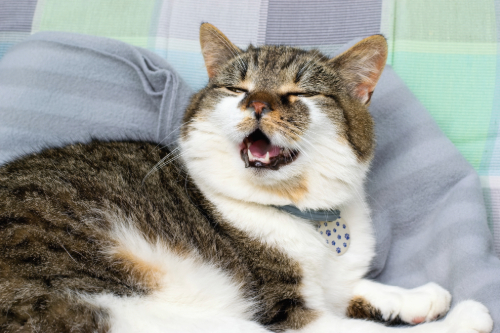
Cat sneezing happens for many reasons, and frequent sneezing often signals that something in your cat’s environment or health needs attention. A single sneeze here or there is usually harmless, but repeated sneezing, especially when paired with other symptoms, may point to an underlying issue. Sneezing can occur when the nasal passages become irritated by allergens, dust, infections, or other triggers. When the sneezing continues, it helps to look at the bigger picture and consider how your cat is acting overall. Pet parents often notice changes in habits, appetite, or energy, which can offer clues about what’s going on. If your cat sneezes often and the symptoms don’t fade, a visit to your veterinarian gives you clarity and peace of mind. Cats tend to mask discomfort, so when something feels off, small signs like sneezing can be your cat’s way of signaling that extra support may be needed.
Causes of Sneezing in Cats
Cats sneeze for several reasons, and the causes range from simple irritation to more complex health concerns. Some triggers come from the environment, such as dust or strong scents, while others link to infections, dental issues, or immune responses. When sneezing becomes persistent, it’s helpful to recognize that more than one factor may play a role. Cats often spend time close to the ground, so they inhale particles you might not notice. Their nasal passages are sensitive, which makes them react quickly to small irritants. Understanding the most common causes provides useful context when deciding if your cat needs a veterinary evaluation.
Irritants and Environmental Triggers
Environmental triggers often lead to sudden sneezing, and these are usually the easiest to identify. Strong perfumes, air fresheners, cleaning sprays, and cigarette smoke can irritate a cat’s nasal lining. Even seemingly mild scents like scented candles or laundry detergents can cause a reaction in some cats. When these irritants reach the nose, the body responds with sneezing to clear the airways. Dry indoor air may also contribute to sneezing, especially during colder months when heating systems run more frequently. Cats with seasonal sensitivities may sneeze more when pollen levels rise outdoors. Because many environmental triggers are avoidable, noticing patterns in your cat’s sneezing episodes can help you identify what may be affecting them.
Upper Respiratory Infections (URIs)
URIs are among the most common reasons for frequent sneezing. These infections spread easily between cats, especially in multi-pet homes or shelter environments. Viruses like feline herpesvirus and calicivirus often lead to sneezing, nasal discharge, congestion, and tired behavior. When the nasal passages become inflamed, the sneezing tends to increase as the body tries to clear excess mucus. Cats with URIs may also experience watery eyes, reduced interest in food, or changes in vocalization. Even mild infections can linger if not addressed, which is why veterinarians monitor these conditions closely. A timely exam at World of Animals Veterinary Hospital helps determine the best path forward and keeps the infection from progressing.
Allergies
Although less common in cats than dogs, allergies can still lead to repeated sneezing episodes. Environmental allergens may include dust mites, pollen, mold, or dander from other pets. When the immune system reacts to these particles, symptoms like sneezing, runny eyes, and itchiness may appear. Cats who spend time near open windows or outdoor areas may inhale more allergens, increasing their sensitivity. Sneezing caused by allergies often comes and goes, making it harder to pinpoint the cause. Tracking when and where the symptoms occur gives your veterinarian helpful information during your cat’s appointment. If allergies are suspected, your veterinarian will guide you through the next steps after a full examination.
Foreign Objects or Nasal Blockages
Cats explore with curiosity, and their noses sometimes pick up small debris along the way. Grass, dust, litter particles, or tiny fibers can settle in the nasal passages and trigger a sudden burst of sneezing. When the sneezing persists or becomes forceful, it may signal that something is stuck. A nasal blockage can also cause noisy breathing, pawing at the face, or discharge from one side of the nose. Because some blockages require skilled removal, your veterinarian should evaluate any ongoing discomfort. Early attention helps your cat breathe comfortably again and prevents the problem from becoming more serious.
Dental Concerns Connected to Sneezing
Dental health affects more than your cat’s mouth. In some cases, dental infections involving the upper teeth can extend into the nasal passages. When bacteria or inflammation reach these areas, sneezing becomes more frequent. Cats may also show signs like drooling, dropping food, or pawing at the mouth. These symptoms often develop slowly, so sneezing may appear before other concerns become noticeable. Routine dental care plays a key role in preventing issues that may impact your cat’s nose and sinuses. If your veterinarian suspects a dental connection, they may recommend further evaluation to understand the full picture.
Signs That Your Cat’s Sneezing Needs a Veterinary Visit
Occasional sneezing happens to every cat, but certain patterns signal that your veterinarian should take a closer look. Persistent sneezing, especially when paired with additional symptoms, suggests that your cat may need support sooner rather than later. Many conditions that cause sneezing progress gradually, so staying alert to changes helps you act early. Cats who sneeze repeatedly may become less playful or more withdrawn as they begin feeling unwell. Any new or unusual behavior is worth discussing during your visit to World of Animals Veterinary Hospital. If your cat shows several of the signs below, scheduling an appointment is the best next step.
Symptoms That Often Accompany Concerning Sneezing
Changes in behavior, appetite, or breathing often appear alongside frequent sneezing. Nasal discharge, whether clear, cloudy, or colored, can indicate irritation or infection. Pawing at the face or rubbing against furniture suggests discomfort around the nose or mouth. Noisy breathing or difficulty smelling food may lead to reduced appetite. Watery eyes, squinting, or redness around the eyes often occur at the same time if the upper respiratory system is involved. Fatigue or low energy may also develop as symptoms progress. When these signs appear together, your veterinarian will evaluate your cat’s full health picture during the exam.
Changes That Suggest the Issue Is Advancing
Some symptoms become more noticeable as the underlying cause continues. Frequent coughing, gagging, or swallowing may signal that mucus is present in the nasal or throat area. Sneezing fits that occur multiple times per day or disturb your cat’s rest should be taken seriously. Cats may also show a shift in grooming habits, especially around the face, if they feel uncomfortable. Increased hiding, restlessness, or irritability may indicate that your cat feels unwell. Paying attention to subtle shifts in behavior helps you communicate important details during your veterinary appointment. Early intervention supports your cat’s comfort and helps your veterinarian address the cause effectively.
How Your Veterinarian Helps Identify the Cause of Cat Sneezing
A veterinary exam provides clear answers when your cat sneezes frequently. Your veterinarian begins with a thorough physical exam, which includes checking the nose, eyes, mouth, and throat. This helps identify congestion, inflammation, or dental changes that may be triggering the sneezing. Your veterinarian may ask about your cat’s environment, recent stressors, exposure to other animals, and any changes you’ve observed at home. These details build a fuller picture of what might be causing the symptoms. Depending on the findings, your veterinarian may recommend diagnostic testing to gather additional information. Tests such as bloodwork or imaging may be used to better understand the cause.
Why Diagnostic Testing Helps Pinpoint the Problem
Some causes of cat sneezing present similar outward symptoms, so diagnostics help narrow down the possibilities. For example, viral infections, allergies, and dental issues may all lead to repeated sneezing, but each requires its own approach from your veterinarian. Imaging can reveal changes in the nasal passages or sinuses, while laboratory tests help identify infections or potential immune-related concerns. A targeted approach saves time and helps your veterinarian determine the next steps. These results also guide future recommendations that support your cat’s comfort and health moving forward.
What Pet Parents Can Expect After the Veterinary Visit
Your veterinarian will review their findings with you and explain what may be contributing to your cat’s sneezing. This conversation helps you understand what they identified during the exam and what to watch for at home. Cats may respond differently depending on the cause, so your veterinarian will discuss the expected timeline for improvement. If additional appointments are needed to monitor progress, your veterinary team will walk you through the process. Many pet parents feel relieved after the visit because they gain a clear understanding of what’s affecting their cat. Your veterinarian is always your best resource when you have questions or notice changes.
Supporting Your Cat’s Comfort When Sneezing Becomes Frequent
Frequent sneezing can cause stress for both you and your cat, especially when the symptoms linger. Staying informed about common causes helps you recognize when to reach out for help. Working closely with your veterinary team ensures that your cat receives timely care and attention. When sneezing becomes persistent or new symptoms appear, a veterinary visit offers clarity and comfort. If your cat has been sneezing more than usual, contact any World of Animals Veterinary Hospital location or book an appointment online today. Your veterinary team is ready to support you and your cat every step of the way.