Dogs pant for several reasons, and this behavior helps them regulate body temperature, manage stress, and communicate how they feel. When you look at dog panting, you’re seeing one of the primary ways dogs cool themselves down and respond to their environment. Pet owners often wonder when panting is expected and when it could signal something that needs attention. Understanding the different causes of panting helps you better interpret your dog’s behavior and know when it may be time to call one of our World of Animals Veterinary Hospital locations for guidance or to book an appointment online.
What Panting Looks Like and Why Dogs Do It
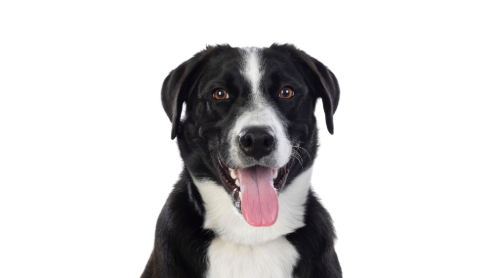
Dogs pant by breathing rapidly with an open mouth, which helps them release heat and regulate their temperature after activity or exposure to warm environments. This natural cooling process works efficiently because dogs don’t sweat the same way humans do. Since they only release small amounts of sweat through their paw pads, panting becomes their main cooling tool. Many pet parents recognize this familiar behavior after a walk, a play session, or time outside on a warm day.
Panting also happens during moments of excitement or emotional stimulation. Some dogs breathe faster when they greet family members, meet new people, or prepare for something enjoyable like a car ride. In addition, dogs may pant more often when they feel worried, confused, or overwhelmed in certain situations. Because dog panting can happen for so many reasons, knowing how to interpret the context makes a big difference. Panting is also influenced by health conditions, weight, breed structure, and age. While the behavior itself is natural, excessive panting or panting that feels out of place for your dog’s normal routine may signal that something else is going on. That’s when pet owners benefit from speaking with a trusted veterinarian. World of Animals Veterinary Hospital offers appointments at multiple locations, and our team is here to help you understand what your dog is experiencing.
Common Reasons Dogs Pant
Dog panting happens in a wide range of situations, and each one offers clues about what your dog might be feeling. These reasons often fall into several predictable categories.
Panting to Cool Down
Dogs pant most often to reduce body heat. When a dog pants rapidly, the evaporation that occurs on the tongue and from the lining of the lungs helps lower their temperature. Outdoor temperatures, humidity, and sunlight all influence how much your dog will pant after spending time outside.
Dogs may also pant heavily after physical exercise such as running, playing fetch, zooming around the yard, or climbing stairs. This type of panting usually slows down once they rest in a shaded or cool area. Puppies often pant quickly after playtime because they build heat faster and burn energy nonstop.
In warm-weather months, pet parents notice increased panting even during short outings or quick bathroom breaks. While panting works well for cooling, dogs can still become overheated in high heat or humidity, especially if they cannot find water or shade. When panting continues longer than usual, it helps to contact one of our World of Animals Veterinary Hospital locations to discuss your dog’s symptoms.
Panting From Excitement or Emotional Stimulation
Dogs pant when they experience strong emotions. You might notice your dog panting at the dog park, at the front door when you walk in, or when they see their leash come out for a walk. This type of panting tends to be light, quick, and accompanied by wagging, spinning, or pacing.
During exciting moments, your dog’s adrenaline rises, which leads to faster breathing. Young dogs, high-energy breeds, and dogs that love social interaction often pant heavily during these moments. Once the excitement fades and the situation becomes calmer, the panting naturally slows.
Some dogs pant when they feel unsure or overwhelmed. New environments, loud noises, vet visits, car rides, or unfamiliar dogs may trigger this kind of panting. Because emotional panting looks similar to cooling panting, pet parents often look at context to tell the difference. If you ever feel unsure, giving our team a call can help you decide whether your dog’s behavior fits their typical emotional response.
Panting Related to Stress or Behavioral Changes
Stress-related panting is common in dogs, especially when they experience something outside their routine. This kind of panting often appears alongside pacing, licking, yawning, trembling, or hiding.
Situations That May Trigger Stress Panting
- Fireworks, thunderstorms, or unpredictable loud noises
- Moving to a new home
- Meeting new animals or guests
- Being left alone longer than expected
- Trips to new environments or busy locations
Stress panting has a unique rhythm. It tends to be shallow and fast, and dogs may dart their eyes or cling closely to their pet parent. Many dogs show this pattern during veterinary visits or grooming appointments. While this response is normal, continued or intense panting during calm moments may need further attention from your veterinarian. You can always reach out to any World of Animals Veterinary Hospital location to schedule an exam if your dog’s behavior changes suddenly.
How Your Dog’s Breed, Age, and Weight Influence Panting
Panting isn’t the same for every dog. Breed structure, size, and age all play meaningful roles in how and when a dog pants.
Breed Considerations
Brachycephalic breeds have shortened muzzles and narrow nasal passages, which make panting more noticeable. These include:
- Bulldogs
- Pugs
- French Bulldogs
- Boston Terriers
- Shih Tzus
These dogs may pant more often or more loudly, especially during exercise or warm weather. Because of their facial structure, they work harder to pull in air, so panting looks more intense compared to other breeds.
Age and Panting Patterns
Puppies pant frequently because of their high energy levels, constant movement, and emotional responses. Senior dogs may pant more during activity because their bodies recover more slowly and they tire faster. Dogs in their later years sometimes pant after minimal exercise, especially if they have limited stamina or joint stiffness.
Weight and Activity Levels
Overweight dogs pant heavily after short bursts of activity. Their bodies need more energy to move, which leads to quicker overheating and faster breathing. Panting helps cool the body, but it takes longer for heavier dogs to lower their temperature. If your dog starts panting more than usual during daily activities, a visit with one of our veterinarians can help identify whether lifestyle changes or further evaluation might be helpful.
When Panting Looks Different for Your Dog
Although dog panting is usually expected, changes in frequency, intensity, or timing can help you notice when something needs attention. When panting appears unrelated to temperature, activity, or excitement, it may indicate something else is contributing to your dog’s behavior.
Changes That Pet Parents May Notice
- Panting at rest with no clear trigger
- Panting that begins suddenly and seems out of character
- Panting paired with restlessness or pacing
- Panting with drooling or unusual body posture
- Panting that lasts longer than usual after exercise
When pet parents see noticeable changes, booking an appointment online or calling the nearest World of Animals Veterinary Hospital location is the best next step. Our veterinary team can evaluate your dog and help you understand what might be contributing to the behavior.
Helpful Tips for Managing Panting in Everyday Life
Since panting helps dogs manage their environment, most panting requires no action beyond watching their behavior and making small adjustments to their routine. Pet parents can support their dogs by creating a comfortable, calming, and temperature-controlled environment.
Daily Tips for Reducing Excessive Panting
- Offer plenty of water throughout the day
- Provide shaded or indoor areas during warm months
- Create quiet spaces during loud events or gatherings
- Use predictable routines to minimize stress
- Adjust activity levels when temperatures rise
These daily habits make life easier for dogs of all ages and sizes. If the panting continues despite these adjustments, calling World of Animals Veterinary Hospital can help you decide whether a visit is appropriate.
What Pet Parents Can Take From Their Dog’s Panting
Dog panting offers valuable insight into how your dog feels throughout the day. Whether they’re cooling down, expressing excitement, or responding to something stressful, panting helps you understand their comfort level and emotional state. Paying attention to changes in this behavior helps you notice early signs that your dog may need support. If you have concerns about your dog’s panting or want reassurance about what you’re seeing, our team is here for you. Call any World of Animals Veterinary Hospital location or book an appointment online today.