
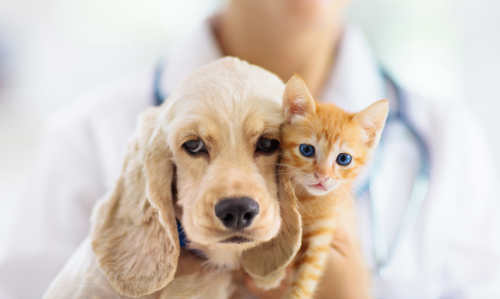
A puppy first vet visit or kitten first vet visit helps your new companion get a healthy start, build comfort in a veterinary setting, and establish a baseline for future care. These first appointments give your veterinarian important information about your pet’s current health, development, and behavior. They also set the stage for a long-term partnership that supports your pet through every life stage. If you recently welcomed a new puppy or kitten into your home, that first trip to the vet becomes an important step in helping them grow into confident, thriving adults.
Bringing home a new pet is an exciting time, and the first veterinary appointment often feels like a milestone moment. You get the chance to meet your veterinary team, ask questions, and learn how to support your pet’s growth. This visit also introduces your puppy or kitten to new sights, sounds, and experiences in a positive, supportive way. Below, we explain what you can expect during this important appointment and how World of Animals Veterinary Hospital helps new pets feel safe and cared for right from the beginning. Call one of our locations or schedule online today to book your pet’s first visit.
Why the First Veterinary Visit Matters
The first veterinary visit lays the foundation for your pet’s lifelong health. Puppies and kittens grow quickly, and early appointments help veterinarians track important developmental milestones. During this visit, our team gathers information about your pet’s background, conducts a full physical exam, and guides you through next steps such as vaccines, parasite screening, nutrition, and preventive care. These early interactions give your pet a chance to build comfort with the veterinary environment, which often helps reduce stress during future visits.
This appointment also offers a valuable opportunity for communication between pet owners and the veterinary team. You can discuss feeding routines, training basics, socialization, and any questions you have about your pet’s behavior. Your veterinarian can also identify potential concerns early, which allows for timely guidance and monitoring. Every puppy or kitten arrives with a unique history, and this first appointment helps tailor their care plan to their individual needs.
What Happens During a Puppy First Vet Visit or Kitten First Vet Visit
Your puppy or kitten’s first veterinary visit includes several key steps that help our veterinary team learn more about your pet and support their healthy development. Each part of the appointment provides important information and helps form a complete picture of their overall health.
Comprehensive Physical Examination
The visit begins with a full nose-to-tail exam. Your veterinarian checks your pet’s eyes, ears, nose, mouth, skin, coat, and teeth. They listen to the heart and lungs, feel the abdomen, and assess joints and muscles. For young pets, this exam helps identify early signs of issues that may require monitoring. Pediatric exams also help establish a health baseline so future visits can track changes accurately.
Discussion of Your Pet’s History
Our veterinary team asks about your pet’s background, including where they came from, diet, behavior, and daily routine. If your pet has any previous medical records, these details help your veterinarian tailor their care. Sharing observations about your pet’s appetite, activity level, or behaviors gives the team valuable insight into their needs.
Vaccine Planning and Recommendations
Vaccines are an important part of early pet care, and your veterinarian reviews which vaccines your pet may need based on their age, lifestyle, and health history. They also discuss the timing of booster visits and what to expect at future appointments. This planning helps keep your puppy or kitten on track throughout their first year.
Parasite Screening and Prevention
Puppies and kittens are often more vulnerable to parasites because their immune systems are still developing. Your veterinarian may recommend screening tests and go over prevention options. Parasite protection supports your pet’s comfort and helps maintain healthy development.
Age-Specific Care for Puppies
Puppies experience important physical and behavioral changes during their first year. Early veterinary visits help support their growth and guide owners through the puppy stage with confidence. Each part of the exam aims to support healthy development and positive habits that will carry into adulthood.
Behavior and Socialization Guidance
Puppyhood is an ideal stage for building confidence and creating positive associations. Your veterinarian can discuss early socialization practices, training basics, appropriate play, and how to introduce new experiences safely. This conversation helps you understand what behaviors are typical and how to encourage good habits while your puppy learns about the world.
Nutrition and Feeding Recommendations
Puppies have unique dietary needs. Your veterinarian may discuss appropriate food types, portion guidelines, and feeding schedules. Proper nutrition supports bone development, healthy growth, and steady energy. Sharing information about your puppy’s eating habits helps your veterinarian create a plan that matches their needs.
Monitoring Growth and Development
Tracking your puppy’s weight and growth pattern helps our veterinary team understand how your pet is progressing. Regular check-ins allow the team to observe changes and address concerns early. These visits create a clear picture of your puppy’s health from the very beginning.
Age-Specific Care for Kittens
Kittens also require specific attention as they grow, especially when it comes to behavior, nutrition, and comfort in new environments. Early veterinary visits help guide this stage and prepare kittens for a healthy, happy life.
Litter Box Habits and Behavior
Your veterinarian may ask about litter box use, play behavior, and daily routines. Kittens learn quickly, and understanding their early habits helps create a supportive home environment. Discussing what you observe at home gives our team helpful context.
Kitten Nutrition and Proper Feeding Habits
Young cats have fast metabolism and developing bodies. Your veterinarian can recommend food choices that match your kitten’s needs and discuss age-appropriate feeding guidelines. Strong early nutrition helps support bone development, muscle growth, and steady weight gain.
Environmental Enrichment and Comfort
Creating a comfortable environment is important for kittens adjusting to a new home. Your veterinarian may offer suggestions for play, rest, scratching options, and ways to encourage natural feline behaviors. These early practices help your kitten grow into a secure and confident adult cat.
Preparing for Your Puppy or Kitten’s First Visit
Knowing how to prepare for your pet’s appointment and learning important information for first time clients helps the experience feel smoother and more predictable. Bringing certain items and gathering relevant information ahead of time ensures your veterinary team has everything they need to support your pet’s care.
Items to Bring
Bring any previous medical records, vaccination history, or paperwork from a breeder, shelter, or rescue organization. These documents help your veterinarian understand your pet’s background. If your pet is microchipped, provide the number and registry information. A familiar blanket or toy can also help your puppy or kitten feel more at ease during the visit.
Observations to Share
Make notes about your pet’s eating habits, activity level, training progress, and any questions you want to ask. Sharing your observations gives our veterinary team helpful insight and strengthens communication during the appointment.
Transportation and Handling Tips
Use a secure carrier for kittens and small puppies, and keep larger puppies on a leash. This helps maintain safety in the lobby and exam room. Keeping your pet close to you helps reduce stress during this unfamiliar experience.
Building a Confident Start for Your New Companion
Your puppy or kitten’s first veterinary visit sets the tone for a lifetime of care. Early appointments introduce them to new experiences, build comfort with our veterinary team, and provide important health information. These visits support your role as a pet owner and give you a trusted place to turn when questions arise. By starting strong during these early months, your pet benefits from steady support as they grow and change. If your new companion is ready for their first appointment, call one of our World of Animals Veterinary Hospital locations or book a visit online today.